

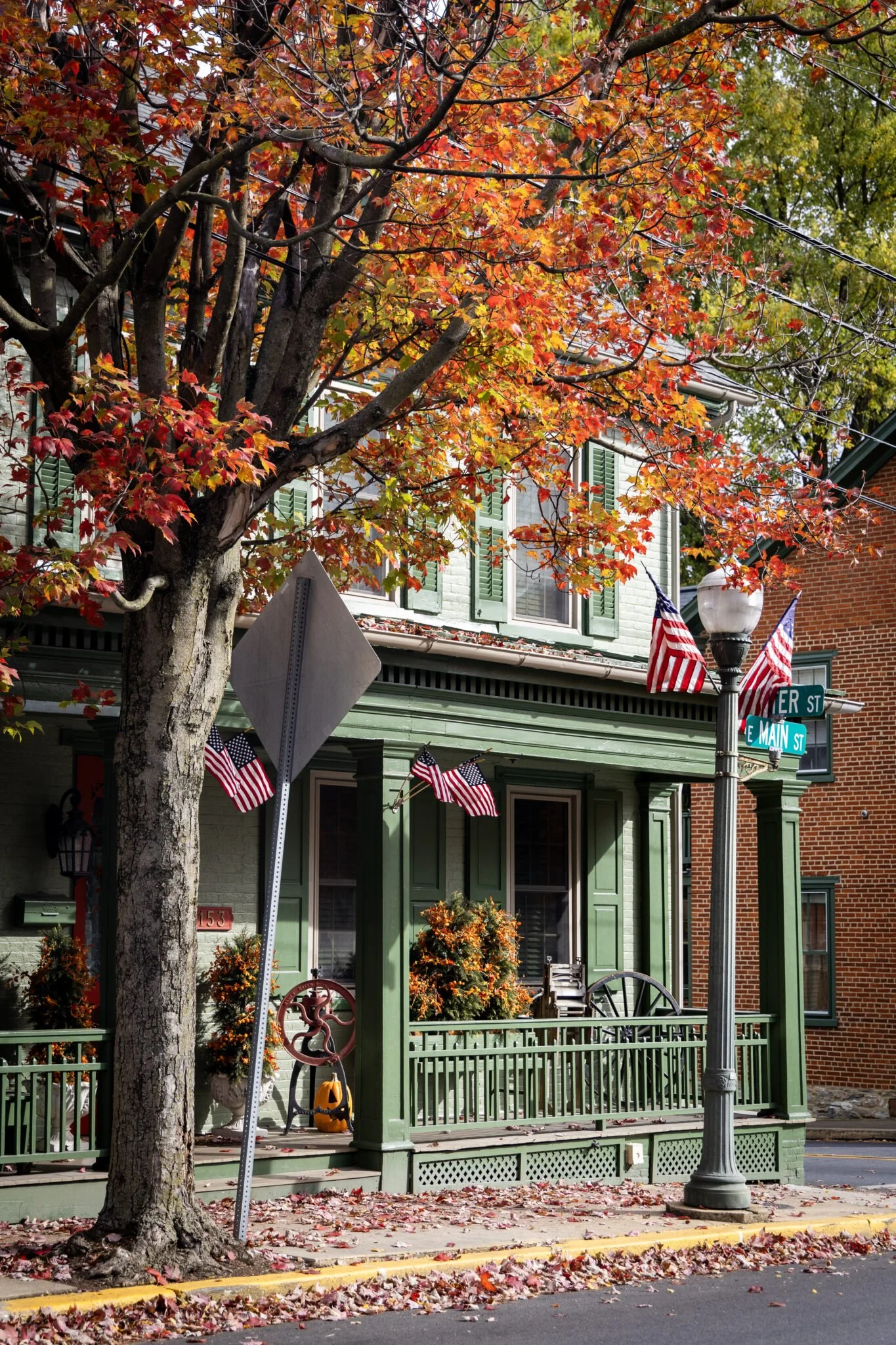
Oh, the tales we can tell!
Town History
Lititz’s history stars a cast of characters that ranges from families escaping religious persecution to Revolutionary and Civil War heroes, from pretzel-twisting entrepreneurs to the founders of one of the nation’s oldest and most treasured schools for girls.
Special Moments in Lititz History
The Wounds of War
In 1777, during the American Revolution, General Washington ordered 250 wounded and sick soldiers to be quartered in Lititz. The Moravian Brothers’ House, built in 1759, was approved to serve as a hospital.
Nation’s Oldest Girls School
Lititz is home to Linden Hall, the oldest all-girls boarding school in the United States. Linden Hall was founded by the Moravians in 1746.
Drink More Beer
In the Moravian Community of Lititz, church officials encouraged the malting of grain for a time, in hopes that increased production of beer would discourage the growing consumption of distilled liquor.
Pretzels Started Here
Founded in 1861, the Julius Sturgis Pretzel Bakery is the oldest commercial pretzel baker in America and remains active today.
The Champ’s Chocolate
Wilbur Chocolate Company’s famous Wilbur Buds were first introduced in 1894. In 1978, Muhammad Ali interrupted his training for his rematch with Leon Spinks to hold a press conference in Lititz, announcing his Muhammad Ali Crisp Crunch candy bar made by Wilbur Chocolate.
A Good Place for A Drink
The earliest tavern in Lititz was “Zum Anker,” built in 1764 and rebuilt/added onto in 1804, in 1848, and in 1930. The four-story hotel is now known as Lititz Springs Inn and Spa.
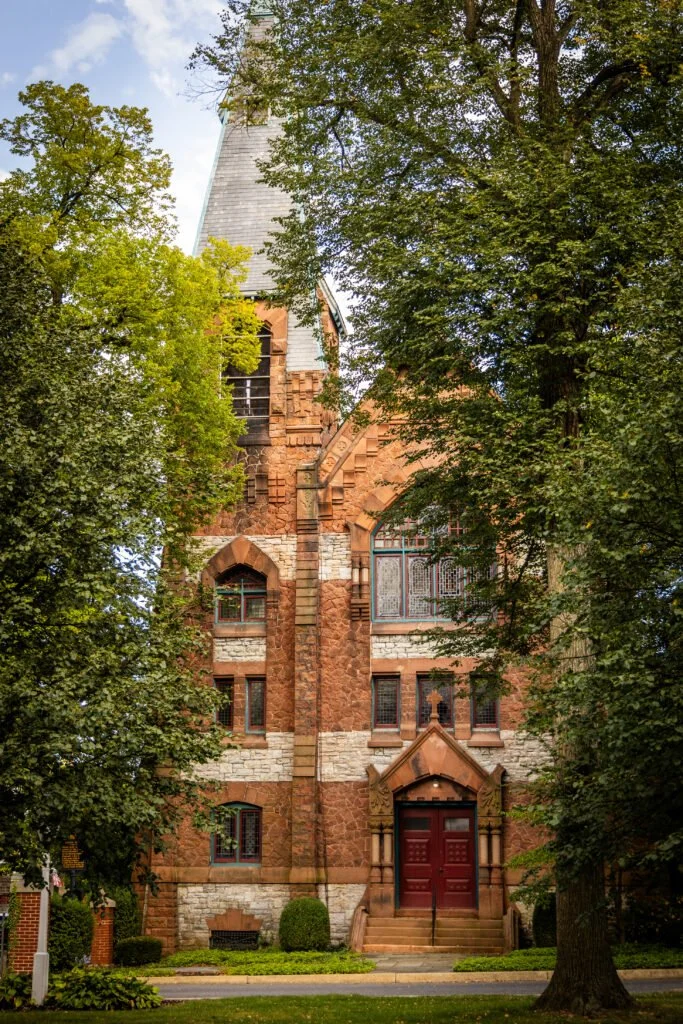
Lititz Springs
The Lititz area was traversed and inhabited many centuries ago by indigenous peoples; namely, the Nanticokes. Relics have been unearthed near the head waters of the Lititz Springs, thus substantiating the conclusion that this area of pristine wilderness had had cultural development and social organization long before the arrival of European settlers. It was not until 1722 that Christian Bomberger became the first known European settler in the Lititz area.
The Moravian Connection
The Moravians are the oldest protestant denomination in the world. In the 18th century Moravians left Saxony, Germany in great numbers to serve as missionaries throughout the world, including right here in Central Pennsylvania.
Count Nicholas Ludwig Von Zinzendorf was a nobleman born in 1700 in Dresden. Although he studied law, his dream was to establish a model Christian Community based on Moravian ideology. He left Germany to come to the new world where religious freedom was allowed. He first visited Pennsylvania in 1741, met with leaders of the time such as Benjamin Franklin, and reached agreement for the establishment of a free Moravian movement. This was the beginning of Lititz, which was named after a Bohemian Castle near the village of Kunvald.

For a more detailed telling of the establishment of Lititz, use the link below.